Table of Contents
Every decluttering guide seems to assume a spare Saturday exists somewhere. For a lot of households, juggling work, kids, and everything else that fills a week, that assumption doesn’t hold. The good news is that a full weekend was never actually required. Twenty minutes at a time, spread across several weeks instead of compressed into one big push, gets the same categories covered without needing a schedule that doesn’t exist.
This challenge is built entirely around short, repeatable sessions rather than a set calendar of days. It covers what fits in twenty minutes, how to string those sessions together into real progress over a few weeks, and what to do when even twenty minutes feels like a stretch some days.
Why Twenty Minutes Actually Works
A short session sounds too small to matter, but the math works out better than it seems. Twenty minutes a day, four or five days a week, adds up to nearly two hours of focused decluttering over a single week, roughly the same total time a dedicated weekend session would take, just spread out instead of compressed. The spread-out version has a real advantage too: decision fatigue, the mental tiredness that builds up after too many sorting decisions in a row, barely has a chance to set in during a twenty-minute session, which often makes the decisions themselves faster and easier than they’d be three hours into a single long push.
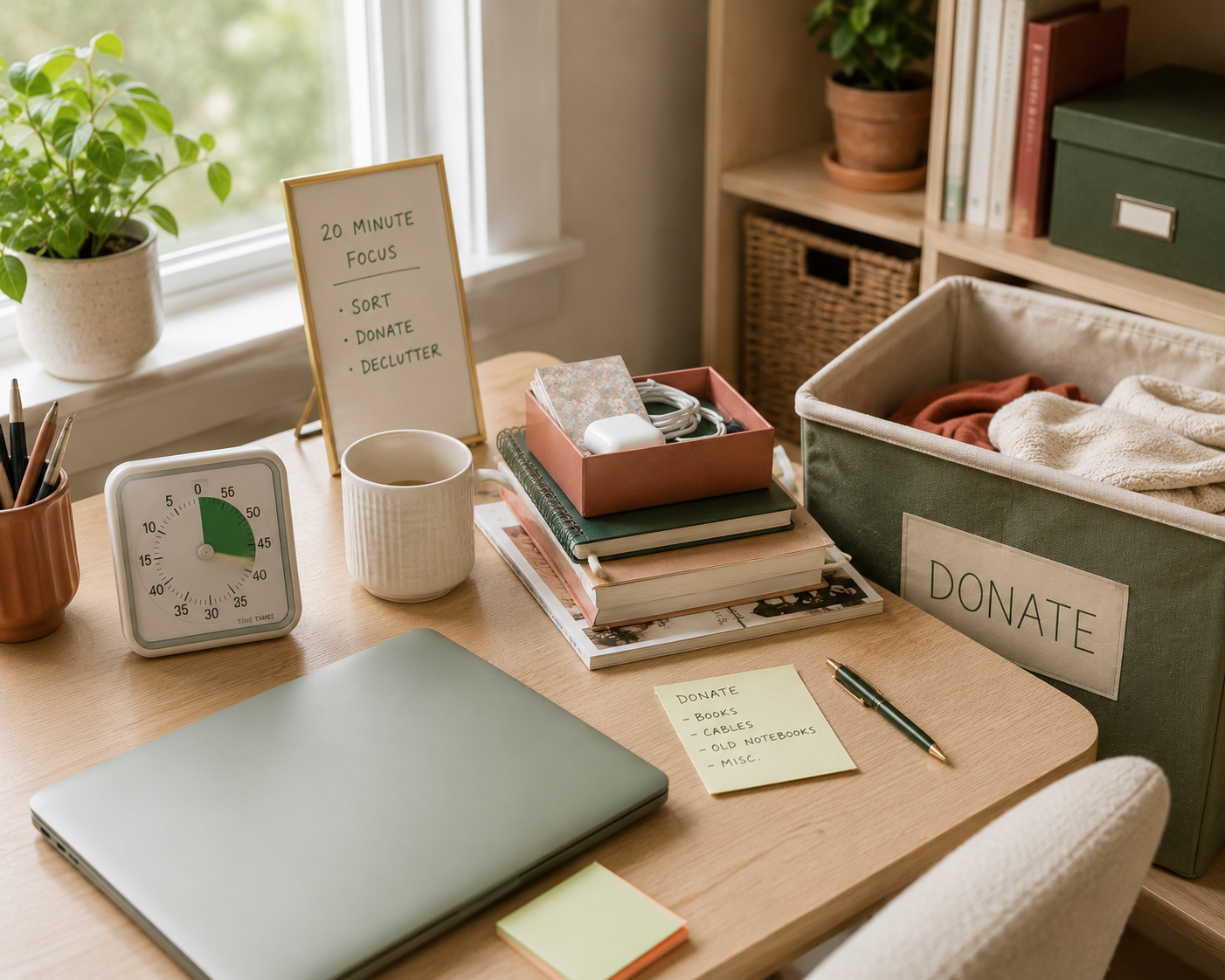
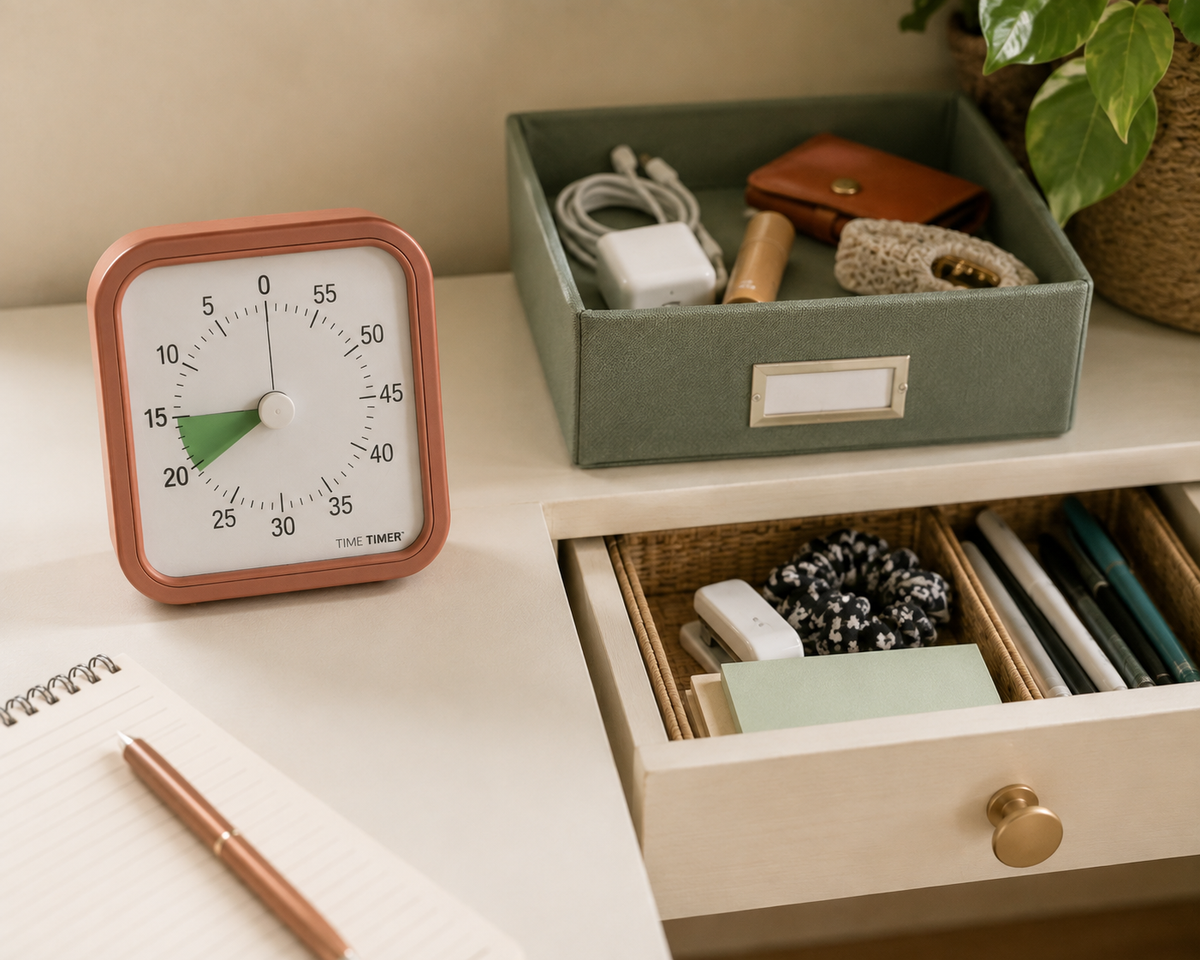
Set a physical timer rather than estimating by feel. Twenty minutes goes by faster than expected once you’re actually sorting, and a timer keeps the session from either stopping short of real progress or accidentally running long and eating into time that wasn’t actually available that day.
Pick a consistent time of day if possible, right before or after a task that already happens daily, making coffee, brushing teeth, a lunch break. Attaching the session to an existing habit removes the decision of when to do it, which is often the biggest reason a short daily task gets skipped entirely rather than simply shortened.
What Fits in a Twenty-Minute Session
Not every decluttering category fits neatly into a short window, so choosing the right scope for each session matters more here than in a longer weekend challenge. Small, contained categories work best: a single drawer, one shelf, a specific type of item scattered across a room rather than an entire room at once.
Good twenty-minute targets include a junk drawer, a medicine cabinet, one shelf in a closet, a stack of mail or paper on a counter, or a specific category like socks or extra kitchen gadgets wherever they happen to live. These are contained enough to actually finish within the time limit, which matters, since an unfinished sort left half-done between sessions often creates more visible mess than it clears.
Avoid starting a session on anything genuinely sentimental or a whole closet at once, both of which tend to need more than twenty minutes and more emotional bandwidth than a quick daily session is built for. Save those categories for a longer, dedicated session on a day when more time is actually available, even if that day comes only once every few weeks.
Keep a running list of small target zones, written down or in a notes app, so each day’s session starts with a specific, already-chosen target rather than losing several of the twenty minutes deciding what to even work on that day.
Stringing Sessions Into Real Progress Over a Few Weeks
A single twenty-minute session clears one drawer. A month of them, four to five sessions a week, works through most of the everyday clutter categories a full weekend challenge would cover, just spread across roughly four weeks instead of two days. The order matters less here than the consistency, since each session is small enough that tackling categories slightly out of the usual easy-to-hard sequence rarely causes the burnout it might in a longer single-day push.
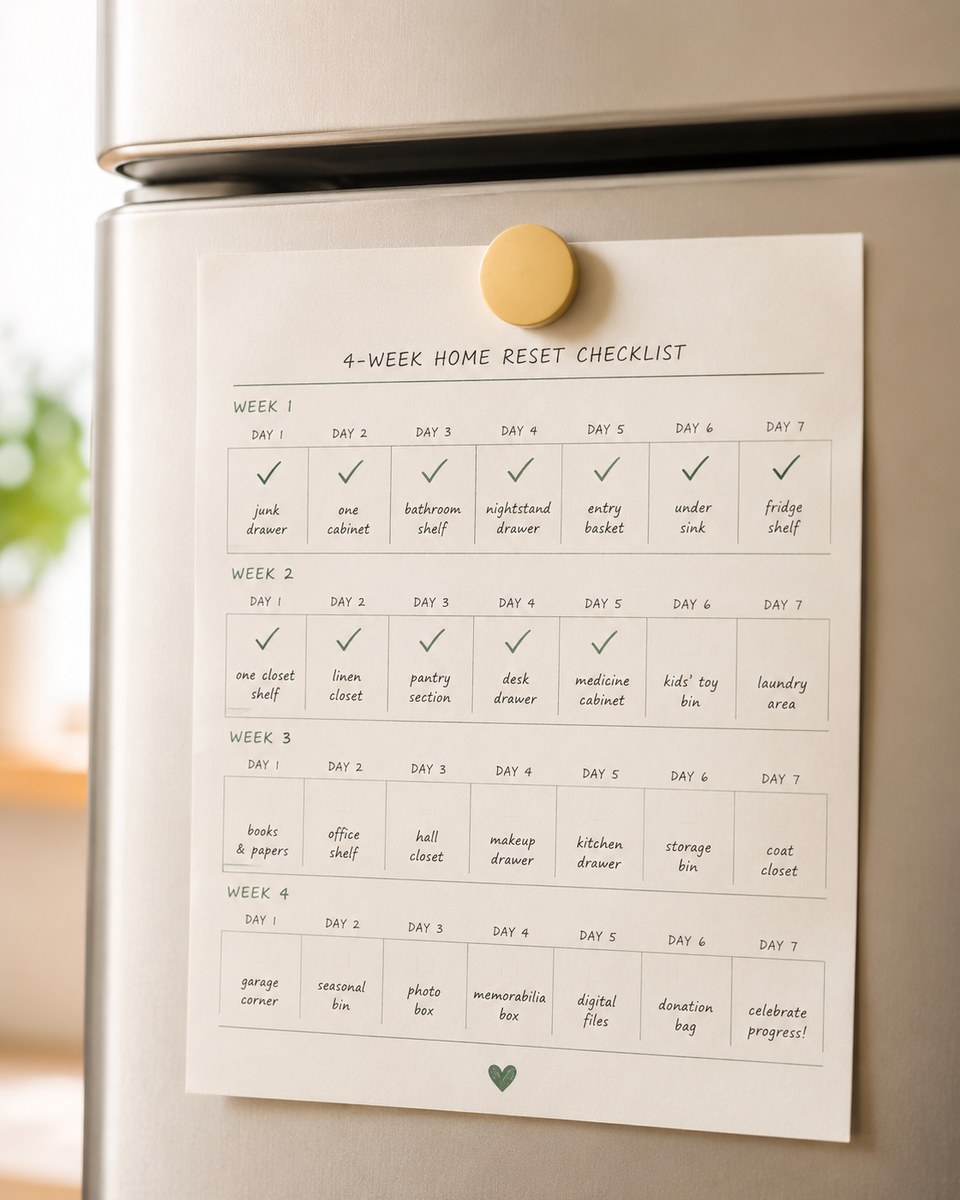
A reasonable week-by-week spread: week one covers small containers and surfaces (drawers, cabinets, countertops), week two moves into clothes and closets one shelf or section at a time, week three handles paper and digital clutter in similarly small chunks, and week four either continues into any remaining categories or starts a slower, separate pass at anything sentimental that’s come up along the way.
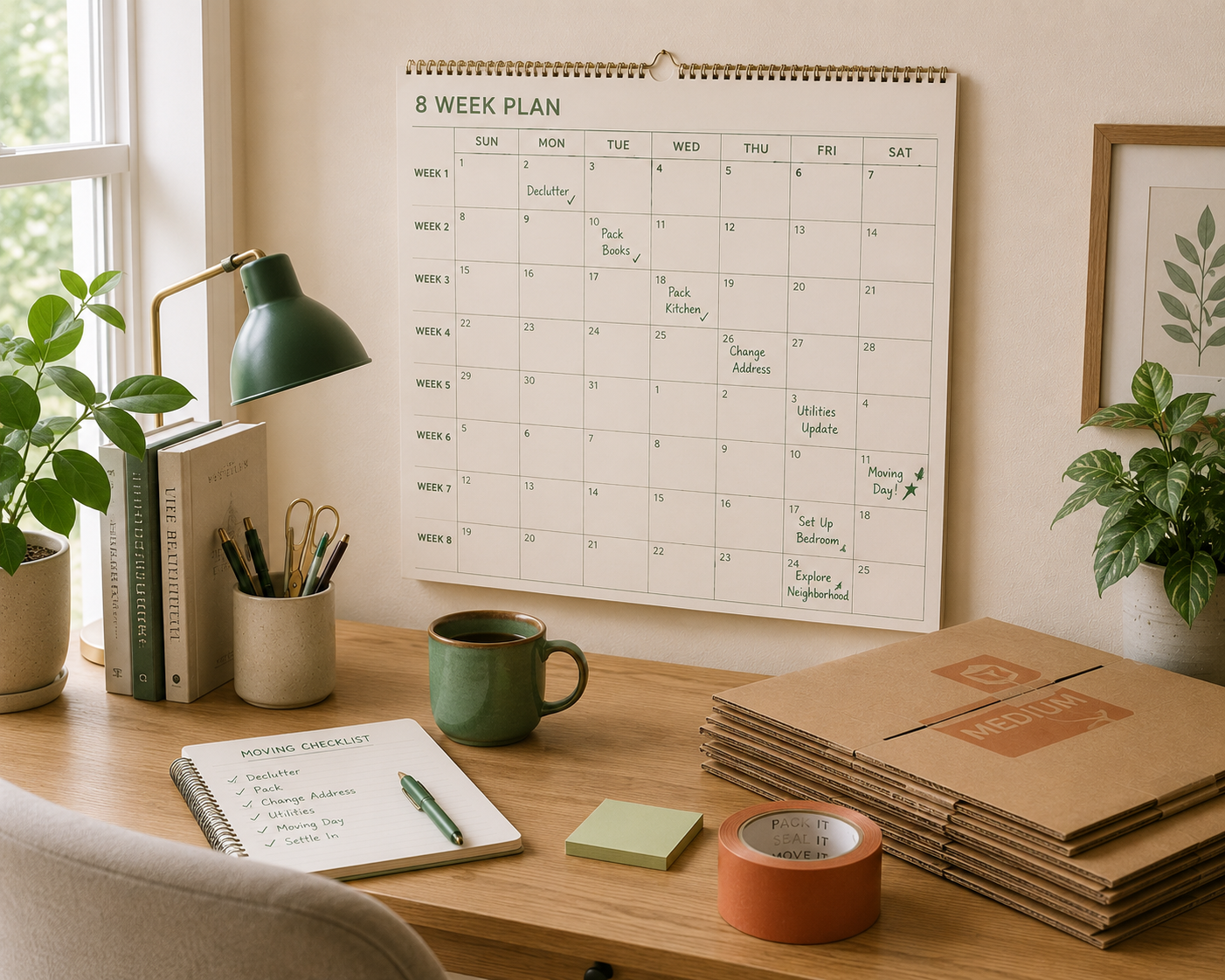
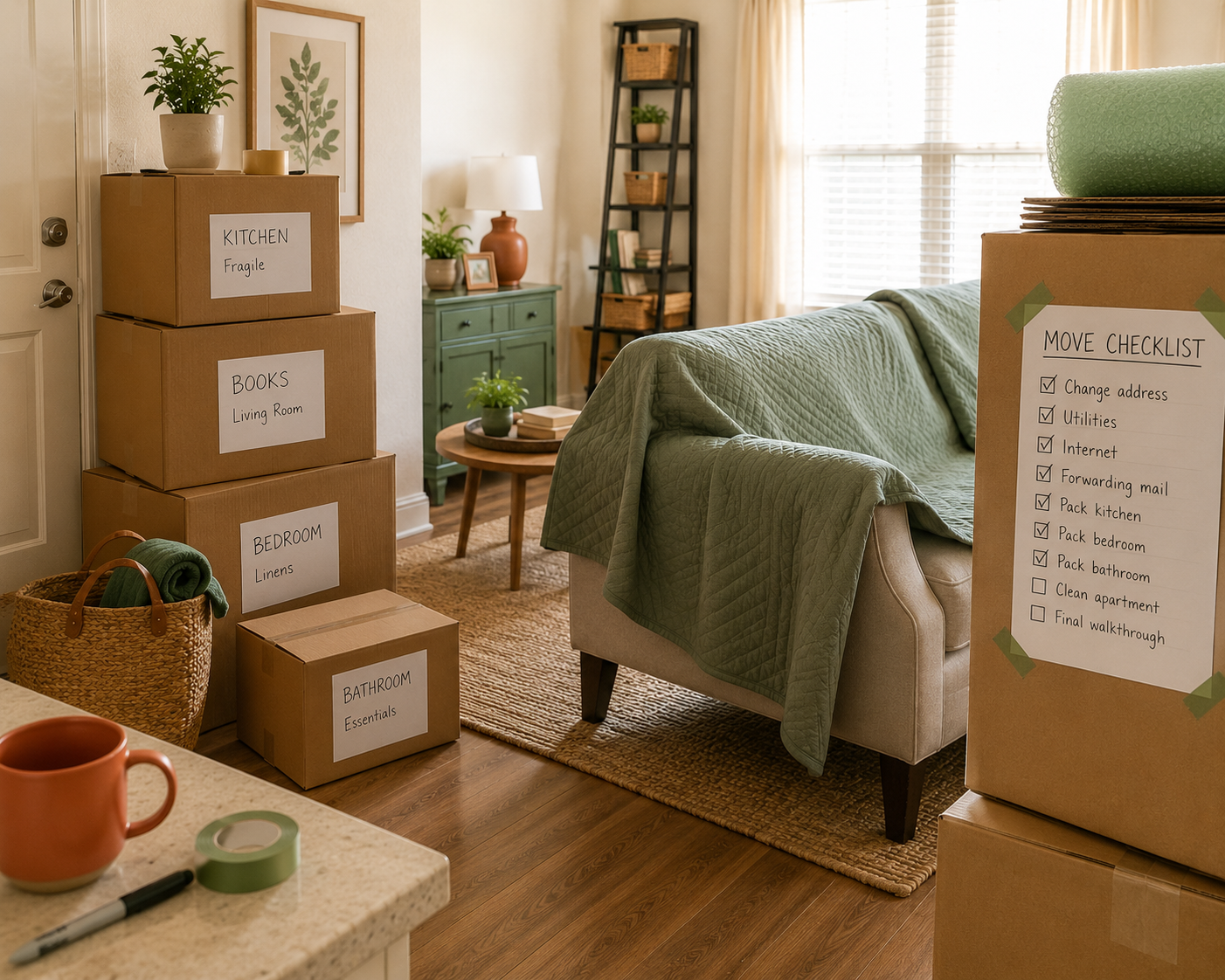
Track progress somewhere visible, a simple checklist on the fridge or a note on your phone, since the incremental nature of this challenge means it’s easy to lose sight of how much has actually been cleared over several weeks of small sessions. Seeing four weeks of checked-off sessions adds up to a genuinely satisfying sense of progress that a single day’s work, however productive, doesn’t always provide in the same way.
What to Do on the Days Twenty Minutes Isn’t Possible
Some days, even twenty minutes genuinely isn’t available, and treating a missed day as a failure of the whole challenge is the fastest way to abandon it altogether. A missed day simply means picking back up the next available day, without doubling up the following session to “make up” for it, since doubling up defeats the purpose of keeping each session short and manageable.
On days that are especially tight, a five-minute version still counts: clearing a single small surface, sorting one small stack of mail, tidying a single drawer partway rather than fully. A five-minute session on a genuinely busy day keeps the habit alive even when the full twenty minutes isn’t realistic, and habits that survive the busy weeks are the ones that actually stick long-term.
If an entire week passes without any sessions at all, that’s still recoverable. Simply resume the challenge from wherever it left off rather than restarting the whole sequence from week one. The goal of this version of the challenge was never a strict, unbroken streak. It was making real progress work within a genuinely busy schedule, and a schedule that occasionally allows for zero decluttering time in a given week is still a schedule this approach is built to handle.
Fitting This Around Kids, Shift Work, and Other Unpredictable Schedules
A twenty-minute session assumes some baseline predictability in the day, but plenty of schedules don’t offer even that much: parents of young kids, shift workers whose hours rotate week to week, anyone juggling caregiving on top of work. For these situations, attaching the session to a specific clock time often fails, since the available twenty minutes shows up at a different point each day rather than a consistent slot.
Instead, attach the session to a recurring event rather than a specific time: during a child’s nap or screen time, during a work break whenever it happens to fall that shift, or during the first twenty minutes after getting home regardless of what time that turns out to be. This keeps the habit tied to something that reliably happens, just not at a fixed hour, which matters more for genuinely unpredictable schedules than a rigid daily calendar slot would.
For parents specifically, involving a child in an age-appropriate version of a session, even just handing them their own small pile of toys to sort into keep and donate, can turn what would otherwise be a task requiring total solo focus into something that happens alongside normal family time instead of competing with it for a separate block of attention.

Turning a Single Small Room Into a Multi-Week Project
Sometimes the goal isn’t a whole home but one specific room that’s still too much to tackle in a single sitting given the time constraints this challenge is built around. In that case, break the room itself into the same small, twenty-minute-sized targets used elsewhere in this guide: one closet shelf per session, one dresser drawer per session, one section of a desk per session, until the whole room has had its turn.
This works especially well for a bedroom closet or a home office, both of which naturally divide into distinct zones (shelves, drawers, sections of a desk) that don’t require finishing the whole space in one sitting to make real, visible progress. A closet handled this way over two or three weeks ends up in the same place a single weekend session would leave it, just reached through a different, more schedule-friendly path.
FAQ
How long will it take to declutter my whole home this way? A typical small home, worked through consistently at four to five sessions a week, takes roughly six to eight weeks to cover most everyday categories, longer if sentimental items are included at the same slow pace they deserve.
What if twenty minutes isn’t enough time to finish a specific drawer or shelf? Stop when the timer goes off rather than pushing past it, and pick up exactly where you left off the next session. A slightly longer project split across two sessions still counts as real progress.
Should I skip sentimental items entirely in this version of the challenge? Not necessarily, but they generally need more than a twenty-minute window and more emotional space than a quick daily session provides. Handle them separately, at whatever pace actually fits, rather than forcing them into the same short-session format.
Is this approach better or worse than a full weekend challenge? Neither is better across the board. A weekend works well when a genuinely free block of time exists. This approach works well when it doesn’t, and both end up covering similar ground over time, just at a different pace.
Related Reading
For the full framework this shorter version is adapted from, The Complete 30-Day Decluttering Challenge covers every stage across a whole home in more depth.
If a single free weekend does open up unexpectedly, A One-Weekend Decluttering Challenge for One Room covers a faster, more concentrated version for one room.
And when sentimental items come up during these shorter sessions, A Gentler Challenge for Decluttering Sentimental Items covers a slower, more deliberate approach built specifically for that category.
For the full category, browse Decluttering Challenges under the Seasonal & Maintenance hub, home to every reset and decluttering guide on the site.