Table of Contents
A great secondhand find isn’t actually finished the moment you carry it out the door. The best-looking piece at a thrift store or estate sale still needs a little attention before it belongs in your apartment, and doing that refresh in the right order matters more than most people expect. Skip a step, or do them out of sequence, and a piece that should feel completely renewed still carries a faint reminder of where it came from.
Refreshing a secondhand find works best in this order: address pests and dust before it enters your home, neutralize any lingering odor, handle small surface repairs, refresh fabric and upholstery, and finish with hardware and metal details last. Each step makes the next one more effective, and skipping straight to the finishing touches usually means redoing them once an earlier step gets addressed.
Before It Comes Inside
Wipe down and inspect any secondhand furniture outdoors before bringing it into your home, checking specifically for pests, dust buildup in joints and crevices, and any loose debris, since this single step prevents most of the common problems that turn a good find into a genuine regret.
Wipe every surface, including drawer interiors and the underside of the piece, with a dry cloth first to remove loose dust and debris, then a slightly damp cloth for a deeper clean. Check corners, drawer tracks, and any upholstered seams closely for small holes, sawdust residue, or anything that suggests insect activity. If the piece can reasonably sit outdoors for a few hours, do that before bringing it in, since sunlight and fresh air both help with the next step, odor, before it ever reaches your living room.
Neutralizing Odor
Neutralize odor using time, airflow, and baking soda before reaching for a heavily scented spray, since most sprays only mask a smell temporarily rather than actually resolving it, and a masked smell tends to resurface within a few days once the fragrance fades.
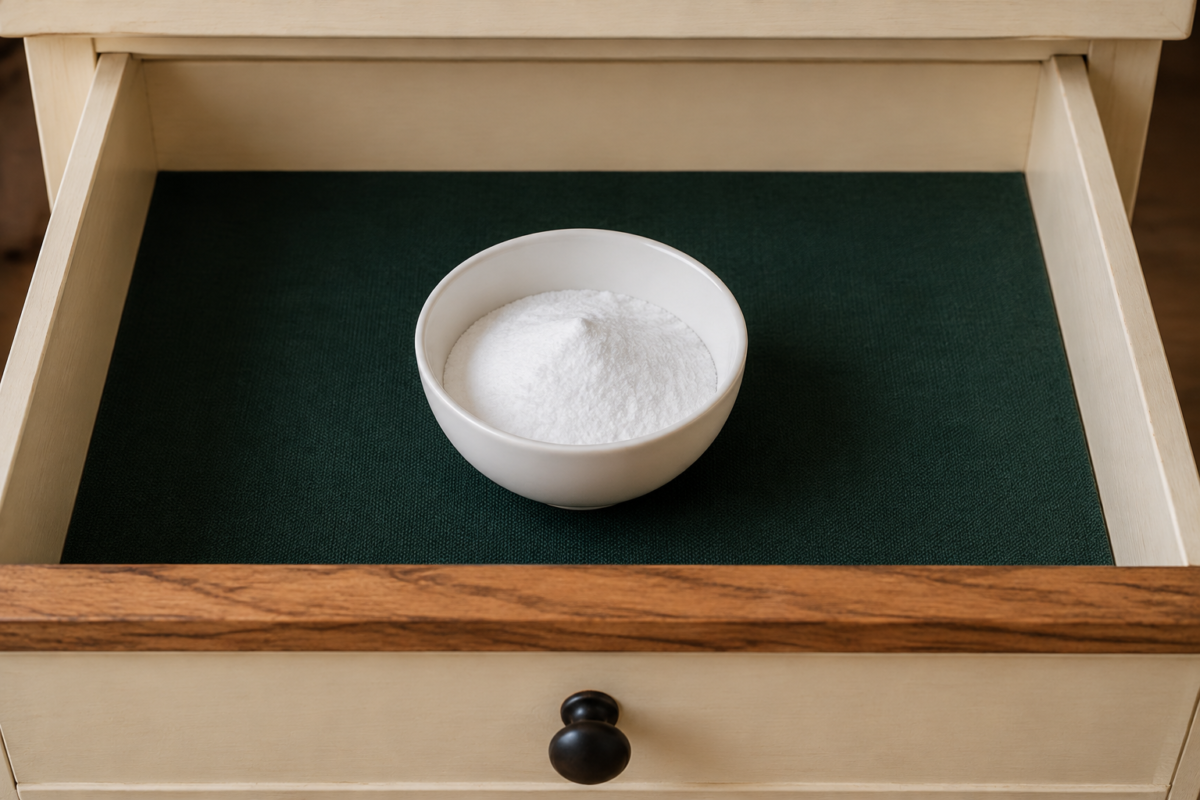
For wood furniture, a wipe-down with a mild vinegar-and-water solution, followed by several hours of fresh air outdoors, resolves most mild mustiness from storage. For drawers and enclosed cabinets, an open box or bowl of baking soda left inside for a day or two absorbs lingering odor effectively and without any added scent of its own. For upholstered pieces, a light, even dusting of baking soda across the fabric, left for several hours before vacuuning thoroughly, works the same way on fabric that fresh air alone hasn’t fully resolved.
A smell that persists strongly after a full round of this treatment, particularly smoke odor embedded deep in upholstery padding, usually needs professional cleaning rather than a repeated home attempt.
Small Wood Surface Fixes
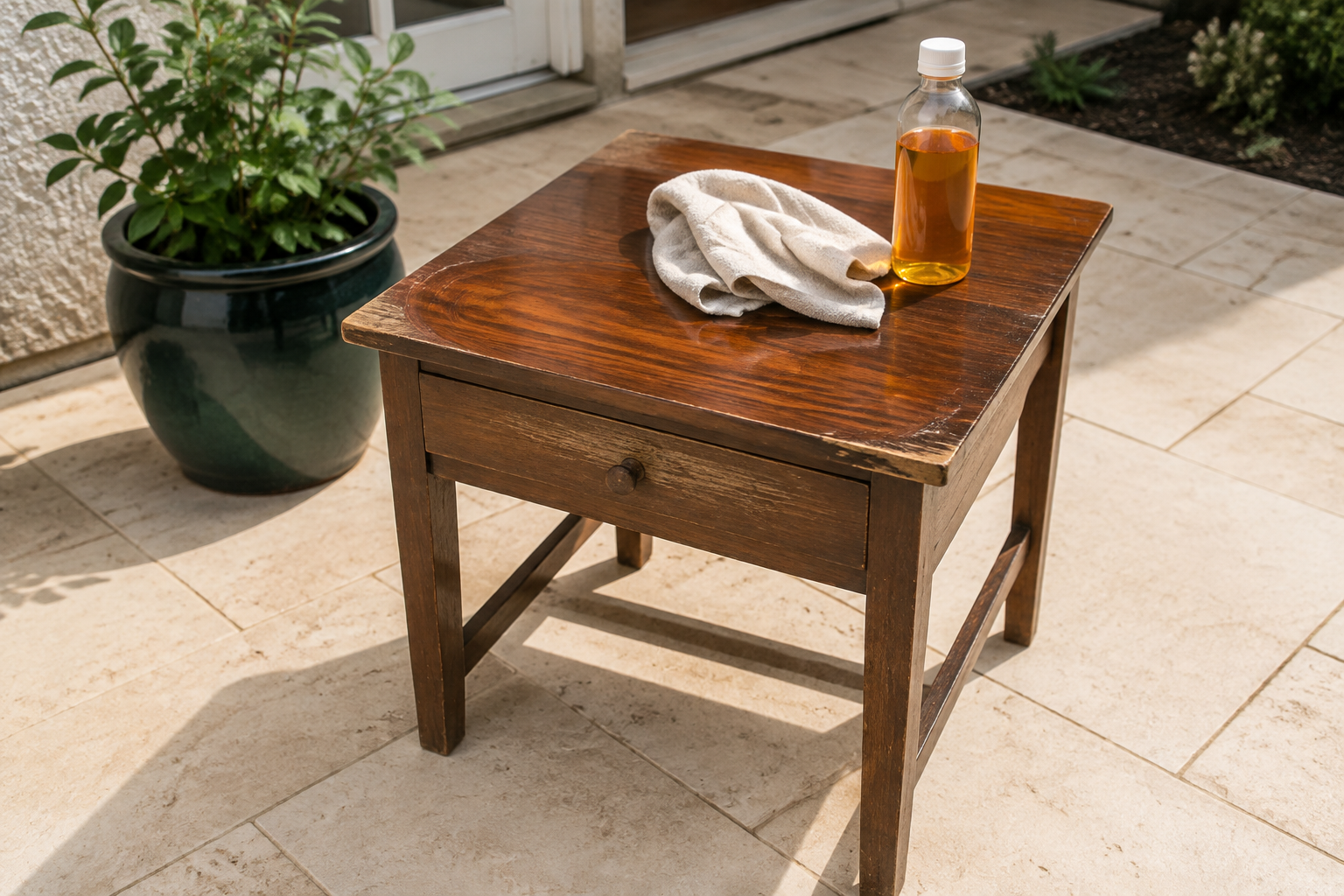
Small wood scratches, loose joints, and dull finish are worth addressing after odor is handled, using a matching wood touch-up marker for surface scratches, a screwdriver for any loose joints or hardware, and a proper wood conditioner or wax for overall shine, rather than a kitchen substitute that can do more harm than good.
A wood touch-up marker, sold in a range of matching tones, fills and blends a surface scratch far better than most people expect, especially on darker wood tones where the repair blends almost invisibly. Tighten any loose screws at joints or hinges before moving on to cosmetic work, since a wobbly piece undermines even a beautifully refinished surface. For overall shine, a proper wood conditioner or furniture wax works better and lasts longer than household oils sometimes suggested online, which can leave a sticky residue or attract more dust over time rather than genuinely nourishing the wood.
Fabric and Upholstery Refresh
Refresh upholstery by vacuuming thoroughly with an upholstery attachment first, then spot cleaning any specific stains after testing in a hidden area, and consider a throw or cushion cover as camouflage for anything that doesn’t fully lift, since not every mark on secondhand fabric needs to disappear completely to make the piece feel refreshed.
Vacuum every surface, including seams and the underside if accessible, before attempting any spot treatment, since loose debris can interfere with cleaning solutions and make a stain harder to fully address. Test any cleaning product on a small, hidden section first, like the underside of a cushion or the back of an arm, and wait to see how the fabric reacts before treating a visible area. For stains that don’t fully lift after a reasonable attempt, a well-placed throw, a slipcover, or a cushion cover placed strategically often accomplishes the same visual result as a full stain removal, for far less effort.
Hardware and Metal Details
Refresh hardware last, once the piece itself is clean, dry, and repaired, by polishing tarnished brass or metal, tightening or replacing loose pulls and knobs, and considering a quick coat of spray paint on dated hardware that’s structurally fine but visually tired.
A simple polish, applied with a soft cloth in small circular motions, restores real shine to tarnished brass or metal hardware without needing to replace it. Loose pulls or knobs usually just need a properly sized screw, often already sitting in a spare hardware tin. And hardware that’s structurally sound but visually dated, gold-tone knobs on an otherwise updated piece, for instance, takes on a completely different character with a light coat of matte black or brushed brass spray paint, applied in a well-ventilated space and given full drying time before reattaching.
When a Piece Needs a Professional, Not a DIY Fix
A piece needs professional attention rather than a home refresh when odor persists strongly after a full treatment cycle, when there’s visible structural instability beyond a simple tightened screw, or when there’s any sign of active pest activity, since attempting a home fix in these specific cases risks either wasted effort or a problem spreading to other furniture in your home.
This isn’t the outcome for most secondhand finds. The vast majority of pieces respond well to the steps above, done in order, over the course of a single afternoon or a couple of days spread out for drying and airing time. But it’s worth recognizing these specific situations early, rather than repeating a home attempt several times before deciding it isn’t working.
Frequently Asked Questions
How long should I let a secondhand piece air out before bringing it inside? A few hours in fresh air and sunlight, when weather and space allow, meaningfully reduces mild mustiness. For anything with a stronger smell, repeat this over a couple of days before deciding whether professional cleaning is needed.
Is it safe to use essential oils or household items to mask furniture odor? Masking a smell with a strong scent isn’t the same as resolving it, and the underlying odor often returns once the added scent fades. Baking soda, fresh air, and time address the actual smell rather than covering it temporarily.
Can I really fix a scratch on wood furniture myself? For surface-level scratches that haven’t gone through the finish into raw wood, a matching touch-up marker blends remarkably well, especially on medium-to-dark wood tones. Deeper gouges or damage through the finish typically need a more involved refinishing approach.
Is it worth spray painting old hardware instead of replacing it? Often, yes, especially when the hardware itself is structurally sound and only the finish feels dated. A well-applied coat of spray paint, done in a ventilated space with full drying time, achieves a similar visual update to new hardware for a fraction of the cost.
Related Reading
For what to inspect before you even buy a piece, The Furniture Quality Checks Worth Doing Before You Buy covers the specific checks that predict whether a refresh will be simple or involved.
For the full picture of where to find secondhand pieces worth refreshing, The Best Places to Find Secondhand Furniture and Decor covers sourcing beyond the obvious thrift store stop.
Once a piece is refreshed and ready to style, Layering Texture on a Budget Without Buying More Stuff covers how to pair it with textiles you likely already own.
Browse the full Thrift & Secondhand category for more sourcing and care guides, or explore the wider Budget Decor hub for get-the-look guides and DIY-friendly styling ideas.