Table of Contents
Every Sunday, somewhere, someone is standing in the middle of a space that got away from them again, staring at four hours of catch-up cleaning they didn’t plan for and don’t have time to do properly. It happens because the space wasn’t maintained during the week. It was just lived in, and living in a space without any small counterbalancing habits is exactly how a full reset becomes necessary every few weeks instead of never.
The fix isn’t a better deep clean. It’s fewer of them. A small set of habits, spaced across daily, weekly, monthly, and seasonal cadences, keeps a space from ever building up enough disorder to require a full reset in the first place. This guide covers exactly which habits belong at which frequency, and how much time each one actually takes.
Why Small Habits Beat the Full Reset
A full reset feels productive in the moment, but it’s really just evidence that maintenance didn’t happen for weeks or months beforehand. Every full reset represents the same underlying problem: small tasks that were skipped long enough to compound into a large one. The four-hour Sunday catch-up isn’t a sign you need a better system for that one day. It’s a sign the other six days needed a much smaller one.
The habits in this guide take somewhere between two and twenty minutes each, depending on the frequency, and they’re built specifically so none of them ever grows large enough to need a dedicated block of your day. That’s the actual goal. Not a perfect space. A space that never gets disorganized enough to need rescuing.
Daily: The Two-Minute Habits That Prevent Buildup
Daily maintenance isn’t cleaning. It’s preventing the small accumulations that turn into cleaning later. Each of these takes under five minutes and works because it happens before the mess has a chance to compound.
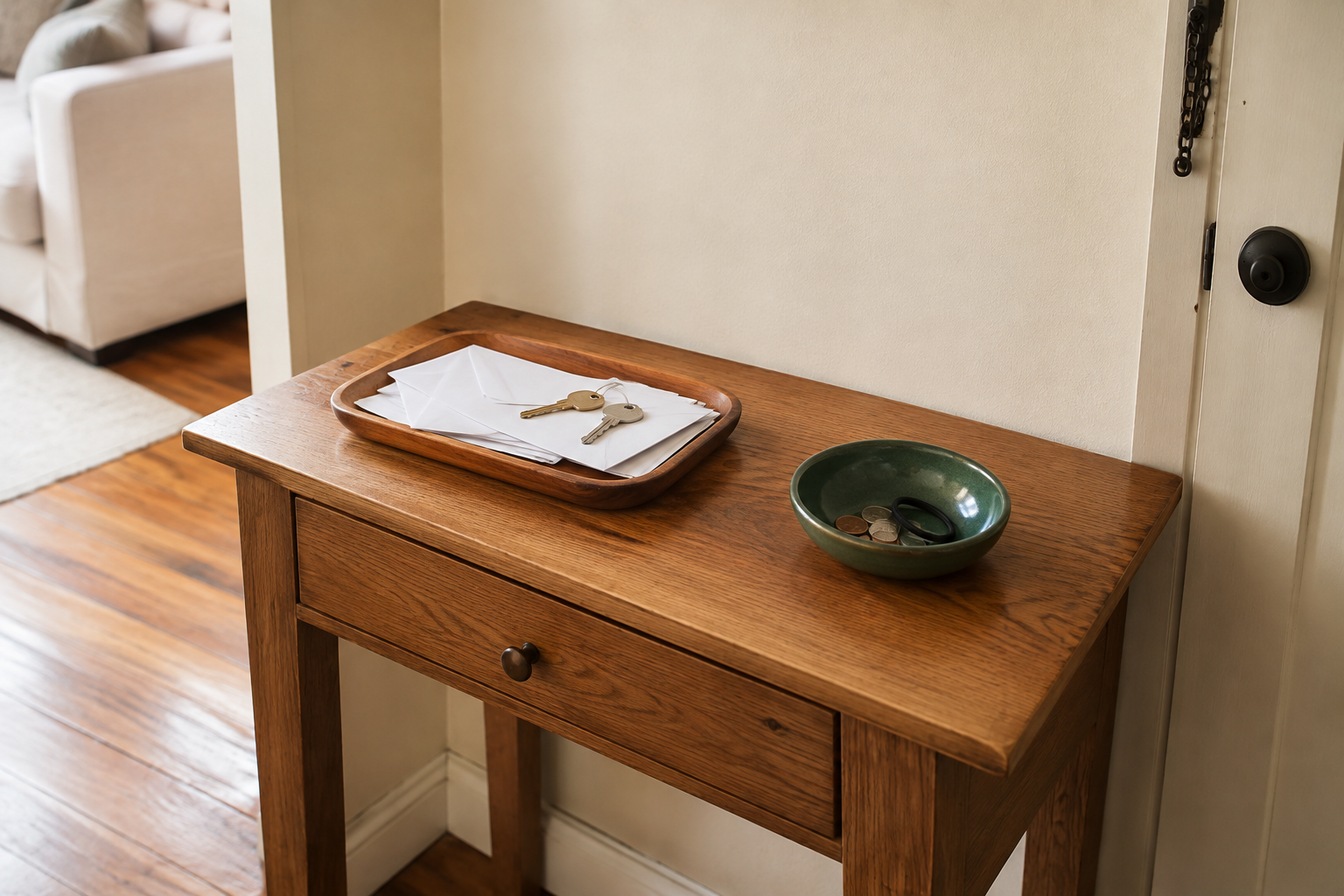
Clear one surface before bed. Pick the surface that collects the most during the day, a kitchen counter, an entry table, a desk, and spend two minutes returning it to empty before you go to sleep. Waking up to one clear surface changes how the rest of the space feels far more than its size would suggest.
Deal with mail and packages the day they arrive, not the day you have time. A single unopened envelope sitting on a counter rarely stays single for more than a few days, and the pile that forms from letting it wait is one of the most common seeds of a full reset later.
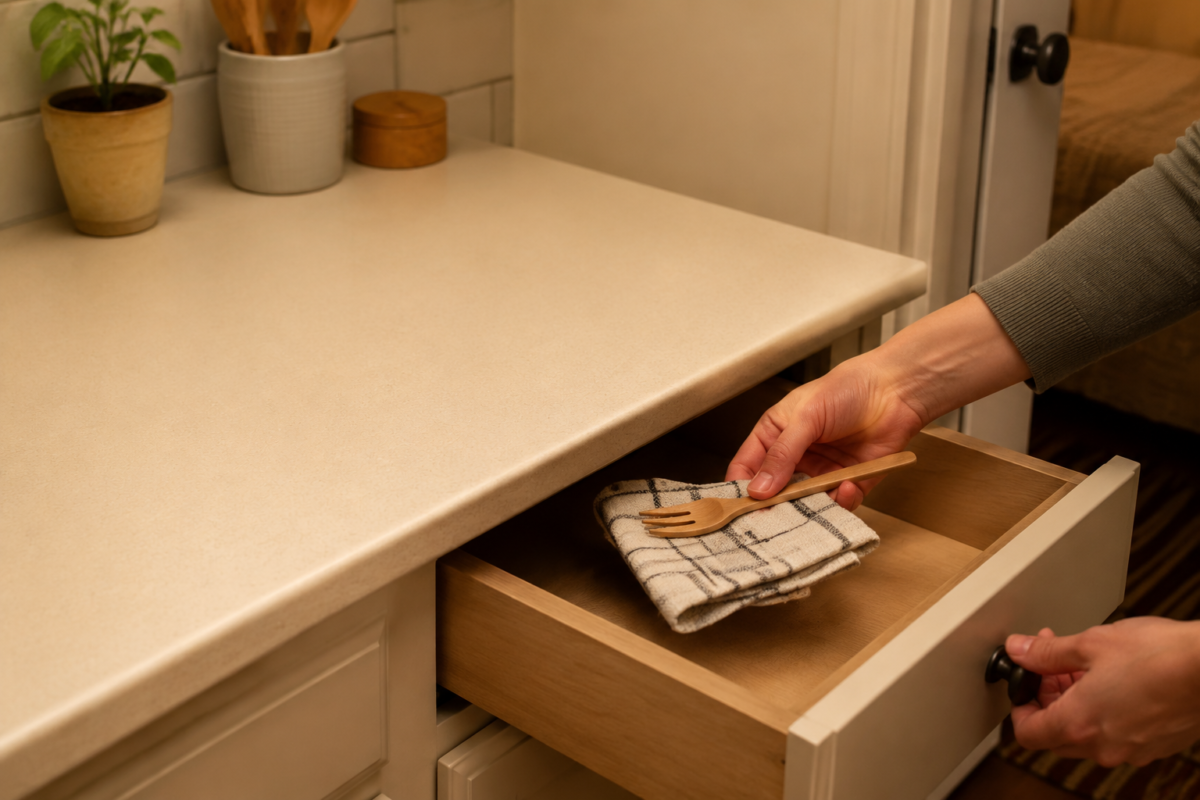
Put dishes away before starting the next meal. This one habit alone prevents the specific kind of kitchen buildup that eventually requires a genuine deep clean rather than a quick wipe-down.
Weekly: A 15-Minute Loop Through the Whole Space
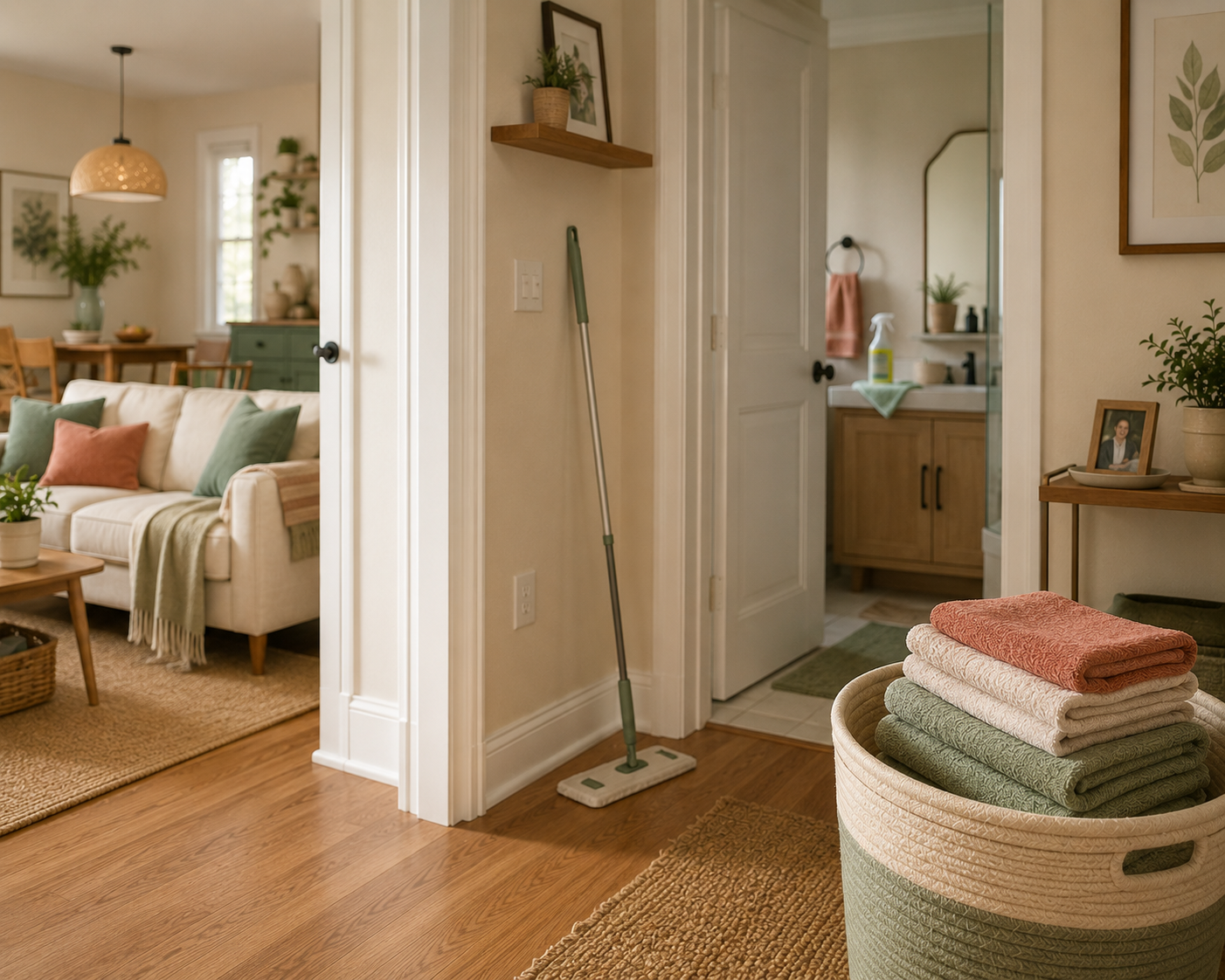
Once a week, walk through the entire space with a single basket or bag and a loop route, rather than tackling one room in depth. This catches the things daily habits miss without turning into a half-day project.
Start at the entry and move through the space in one direction, room to room, collecting anything that doesn’t belong where it currently sits, a stray mug in the living room, mail that migrated to the wrong surface, clothes that didn’t make it back to the closet. Drop each item where it actually belongs as you pass its home, rather than carrying a full basket the entire loop. This entire pass takes most people under fifteen minutes once the route becomes familiar, and it’s the single habit that does the most to prevent small clutter from becoming a weekend project.
If closet or drawer clutter is a recurring stop on this weekly loop, the decluttering habits guide covers the deeper systems worth building once the weekly loop stops being enough on its own.
Monthly: The Tasks That Slip Through Daily and Weekly Habits
Some tasks don’t show up often enough to earn a spot in a daily or weekly routine, but they still cause real buildup if they’re ignored for months at a time. Once a month, set aside 20 to 30 minutes for the tasks that fall into this gap.
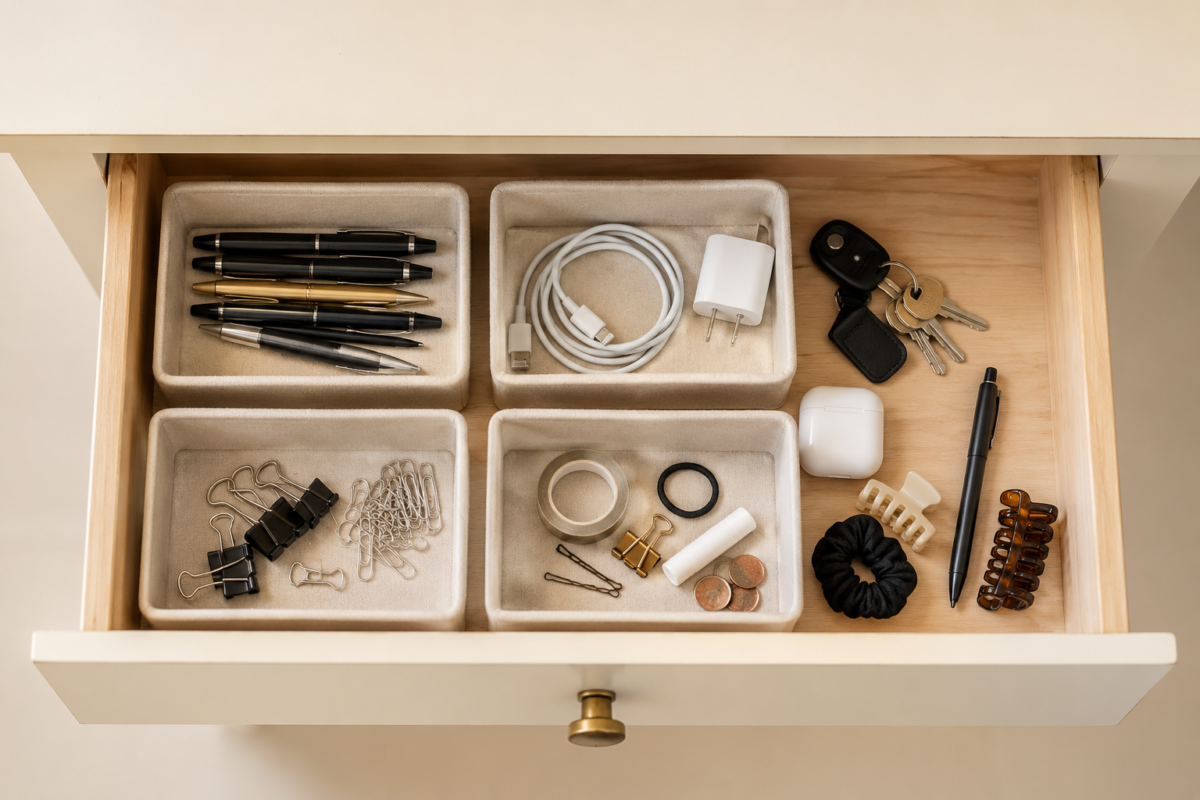
Wipe down surfaces that don’t get touched in a normal weekly pass, baseboards, the tops of shelves, light fixtures. Check under the bed and behind furniture for the items that accumulate in spaces you don’t see daily. Go through one drawer or one shelf that’s been quietly filling up, rather than attempting a full decluttering session, since a single drawer done monthly prevents the kind of overflow that eventually needs a full weekend to sort through.
Rotate which drawer or shelf gets attention each month rather than repeating the same one, so every storage area gets checked roughly four times a year without any single month feeling overwhelming.
Seasonal: The Four Resets a Year That Catch Everything Else
Even with daily, weekly, and monthly habits in place, some tasks genuinely only need attention a few times a year, and trying to squeeze them into a monthly routine just adds unnecessary frequency to something that doesn’t need it. Four times a year, roughly aligned with the seasons, set aside a slightly longer block, one to two hours, for the tasks that fall into this category.
This is the time to check what’s stored seasonally and needs rotating, evaluate whether anything in the space has stopped being useful since the last seasonal check, and address anything daily and weekly habits genuinely can’t catch, like washing windows or deep-cleaning upholstery. Because the daily and weekly habits have already prevented the everyday buildup, this seasonal block stays focused on its actual job instead of also absorbing months of deferred small tasks.
If a full seasonal reset is something you want a dedicated framework for, the seasonal reset guide breaks that specific block down room by room.
Building a Routine That Actually Sticks
The habits above only work if they actually happen, and the biggest reason a maintenance routine fails isn’t the habits themselves. It’s starting with all of them at once. Add one daily habit first, let it run for two weeks until it stops requiring conscious effort, then add the weekly loop. Layer in the monthly and seasonal habits only once the first two feel automatic.
Attach each habit to something that already happens reliably, clearing the counter right before brushing your teeth, running the weekly loop right after Sunday morning coffee, rather than scheduling it as a separate task competing for attention on its own. A routine anchored to an existing habit survives busy weeks. A routine that depends on remembering to schedule it usually doesn’t.
Frequently Asked Questions
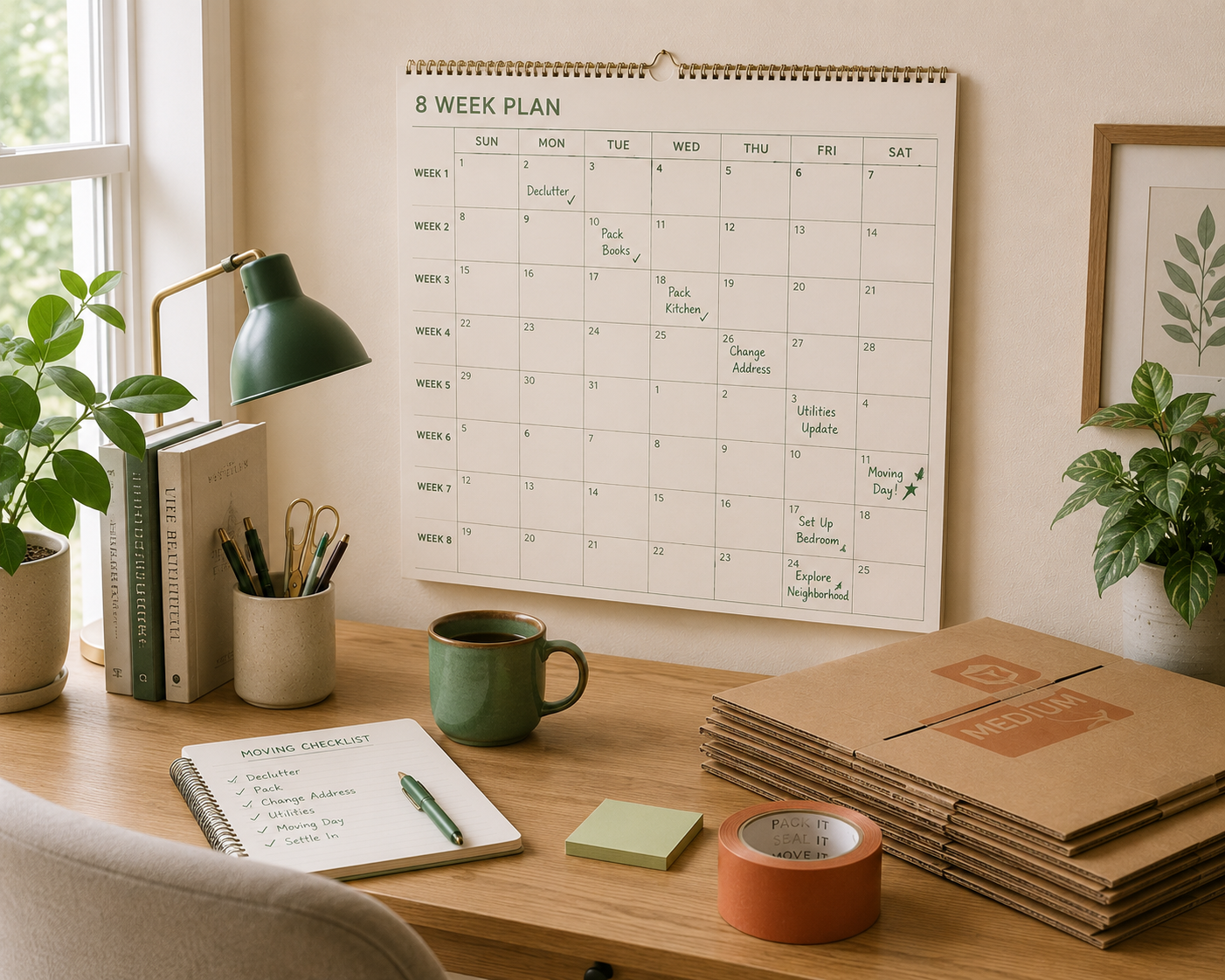
How often should I do a full deep clean if I have a maintenance routine? With daily, weekly, monthly, and seasonal habits in place, a full deep clean stops being necessary in the way it was before. The seasonal block, roughly four times a year, absorbs the deeper tasks that genuinely need periodic attention, without the space ever building up enough disorder to require an emergency reset in between.
What’s the single most important maintenance habit to start with? Clearing one high-traffic surface before bed each night. It takes under five minutes, and it’s the habit most likely to prevent the kind of small daily buildup that eventually compounds into a larger cleanup.
How long should a weekly maintenance routine actually take? About 15 minutes for a full loop through the space, collecting items that have drifted from where they belong and returning them as you pass their home. This is meaningfully shorter than most people expect once the route becomes familiar.
What tasks belong in a monthly routine instead of a weekly one? Anything that causes real buildup over months but doesn’t need weekly attention, like wiping baseboards, checking under furniture, or working through one drawer or shelf at a time. Rotating which area gets attention each month means everything gets checked a few times a year without any single session feeling overwhelming.
Related Reading
- If clutter keeps reappearing faster than the weekly loop can catch it, the decluttering habits guide covers the deeper systems worth building alongside this routine.
- For the dedicated seasonal block this routine points to four times a year, see the seasonal reset checklist.
- If you’re maintaining a space through an upcoming move, the move-in and move-out checklist covers the maintenance tasks specific to that transition.
- For more habits and systems that keep a small space running without a full reset, visit the Maintenance Routines category page.
- To see the full seasonal system this routine fits into, start at the Seasonal & Maintenance hub.
- Decluttering Challenge Guide — related practical guide on Taims Space.
- The Complete Seasonal Reset Guide — related practical guide on Taims Space.
- Complete Home Maintenance Routine Guide — related practical guide on Taims Space.
- 10-Minute Daily Tidying Routine — related Taims Space guide.
- Weekly Reset Checklist — related Taims Space guide.
- Monthly Maintenance Checklist — related Taims Space guide.