Table of Contents
Most decluttering challenges fail for the same reason: they start with the hardest category first. Sentimental boxes, inherited furniture, the closet full of clothes tied to a version of yourself from ten years ago, these are the decisions that take the most emotional energy, and starting with them burns out the motivation needed for everything else. A 30-day challenge works because it flips that order. It starts with the fastest, easiest wins, builds momentum through the middle weeks on genuinely useful categories, and saves the hardest, most sentimental decisions for the very end, once the skill of letting go has had three weeks to develop.
This guide breaks the challenge into four weekly stages: easy universal wins, everyday categories that get used constantly, harder decisions that need more thought, and finally the sentimental items that deserve to be handled last and slower on purpose.
Week One: The Easy Wins That Build Momentum
The first week is intentionally the easiest, built entirely from categories where the decision is close to automatic: expired items, duplicates, and things that are visibly broken or unusable. None of these require real emotional weight to let go of, which makes them the fastest way to build the habit of the daily decluttering session before harder decisions show up.
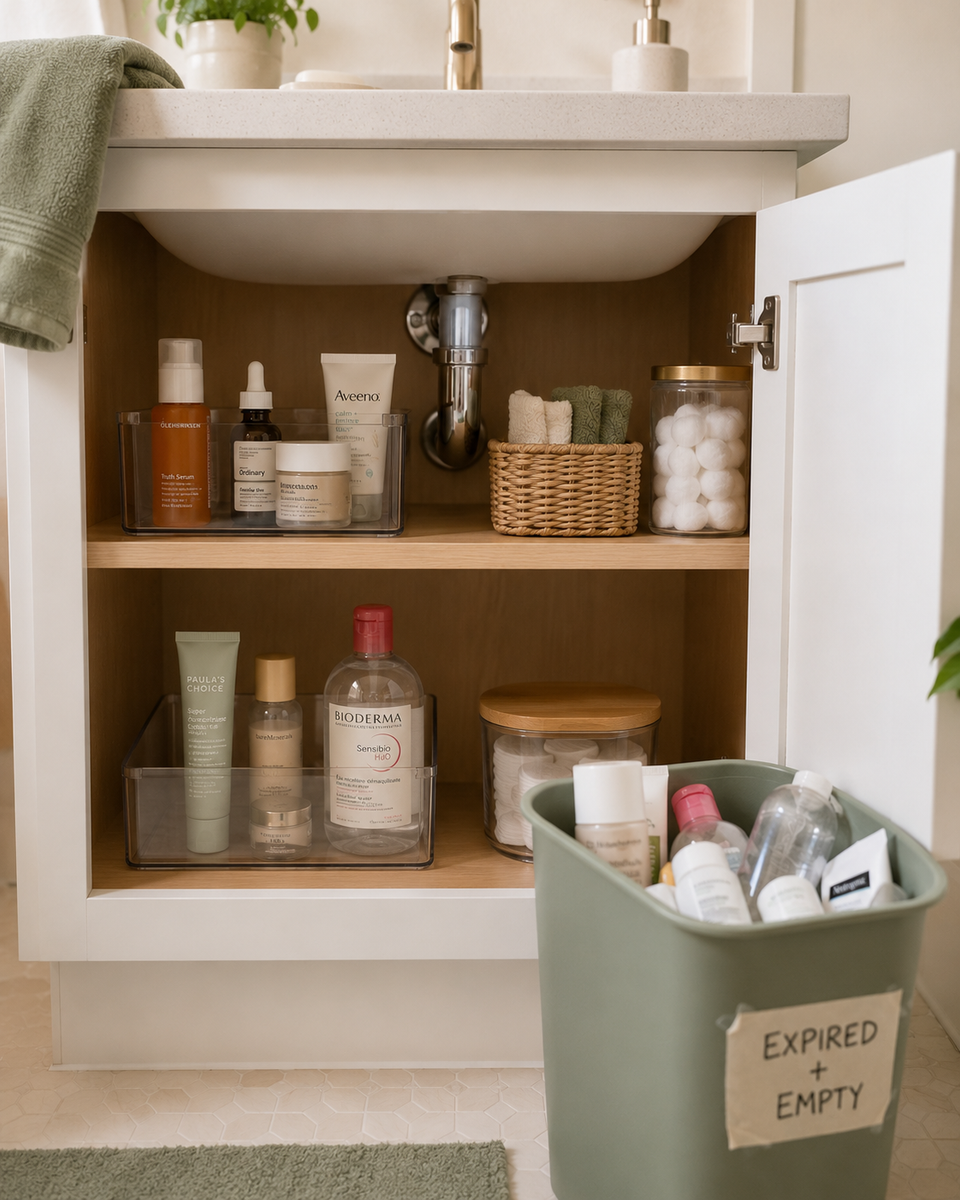
Day one starts with the bathroom cabinet and medicine chest. Expired medication, empty or near-empty bottles, and products that were bought once and never used again get removed in a single pass. Day two moves to the kitchen pantry and fridge, checking expiration dates and clearing out anything genuinely spoiled or forgotten in the back of a shelf. Days three through five work through duplicates around the home: extra kitchen gadgets that do the same job as one already in daily use, more coffee mugs than the household could ever use at once, spare chargers and cables for devices that no longer exist.
The rest of week one covers anything visibly broken: a phone case that’s cracked beyond use, a kitchen tool with a broken handle, clothing with holes or stains that were never going to get repaired. These decisions genuinely don’t require deliberation, which is exactly the point. Week one exists to prove the challenge is doable, not to test resolve.
By the end of week one, most households have filled at least one full trash bag and a donation box without touching a single item that required real thought, which is the momentum the rest of the challenge depends on.
Setting Up the Challenge Before Day One
A 30-day challenge runs more smoothly with a small amount of setup completed before the first day officially starts. Three containers cover most of what’s needed: a donation box, a trash bag or bin, and a small box for anything genuinely unsure that needs a second look later. Keeping these in a consistent spot, ideally near wherever the day’s category is being worked through, avoids the friction of searching for a bag or box mid-session.
Set a specific time of day for the challenge rather than leaving it open-ended, even fifteen to twenty minutes first thing in the morning or right after dinner. A specific time slot turns the challenge into a routine rather than a task competing with everything else in the day for attention, which is often the real reason a declutter attempt stalls out by day five or six.
Decide in advance where donated items are actually going, whether that’s a specific charity, a consignment shop, or a resale app, rather than letting a growing donation box sit in a corner for weeks after the challenge ends. A donation pile that never leaves the house isn’t meaningfully different from clutter that was never sorted in the first place.
Week Two: Everyday Categories in Constant Use
Week two moves into the categories that get touched daily, clothes, kitchen tools, and general living spaces, where the decisions require slightly more thought than week one but are still grounded in genuine, practical use rather than emotion.
Days eight through ten focus on clothes. Sort into worn regularly, not worn in over a year, and genuinely unsure. The middle category, clothes that have sat untouched in a closet or drawer for a full year through at least one seasonal cycle, is usually the easiest large win of the entire challenge, since a full year without wear is a strong, almost undeniable signal that an item isn’t earning its space. Shoes and accessories get the same treatment on day ten, checking for pairs that have gone unworn for the same stretch.
Days eleven through thirteen cover the kitchen beyond the pantry work already done in week one: cookware, small appliances, and dishware. A specific single-use gadget that gets pulled out once a year (or never) is a common find here, along with mismatched dishware sets that have quietly outgrown the number of people actually using them regularly.
The rest of week two moves through general living spaces: books that have been read and won’t be reread, media that’s outdated, and any surface clutter that’s accumulated simply because it never had an assigned home. This is also the point in the challenge where a genuine “one in, one out” habit starts to feel natural, since two weeks of daily practice have made the sorting decision faster and less emotionally loaded than it was on day one.

Week Three: Harder Categories That Need More Thought
Week three introduces categories where the decisions genuinely take longer, not because of sentimental weight yet, but because they require more judgment than a simple expiration date or a year-without-wear test. Paper clutter, digital storage, and gear tied to hobbies or past versions of a lifestyle all fall into this stage.
Days fifteen through seventeen handle paper: old bills, expired warranties, manuals for devices no longer owned, and any paperwork that’s been “kept just in case” without a specific reason attached. A simple rule helps here: if a document can be found again online or requested from the issuing company if genuinely needed, it doesn’t need to occupy physical space in a small home. Anything tied to taxes, ongoing warranties, or legal matters gets kept in a dedicated folder rather than scattered loosely.
Days eighteen and nineteen move into digital clutter, since a cluttered phone or laptop, while invisible compared to physical stuff, carries its own daily friction: thousands of unsorted photos, an inbox with years of unread newsletters, apps that haven’t been opened in over a year. This day often surprises people with how much lighter a device feels afterward, even though nothing physical changed.
The rest of week three covers hobby gear and equipment tied to activities that have quietly stopped happening: craft supplies for a project abandoned years ago, exercise equipment that’s become a clothes rack, gear for a hobby that’s genuinely over rather than just on pause. These decisions take longer than week one and two’s categories because they involve admitting a version of a planned future isn’t happening, which is a harder kind of letting go even before sentimental items enter the picture.

Week Four: Sentimental Items, Handled Last and Slower on Purpose
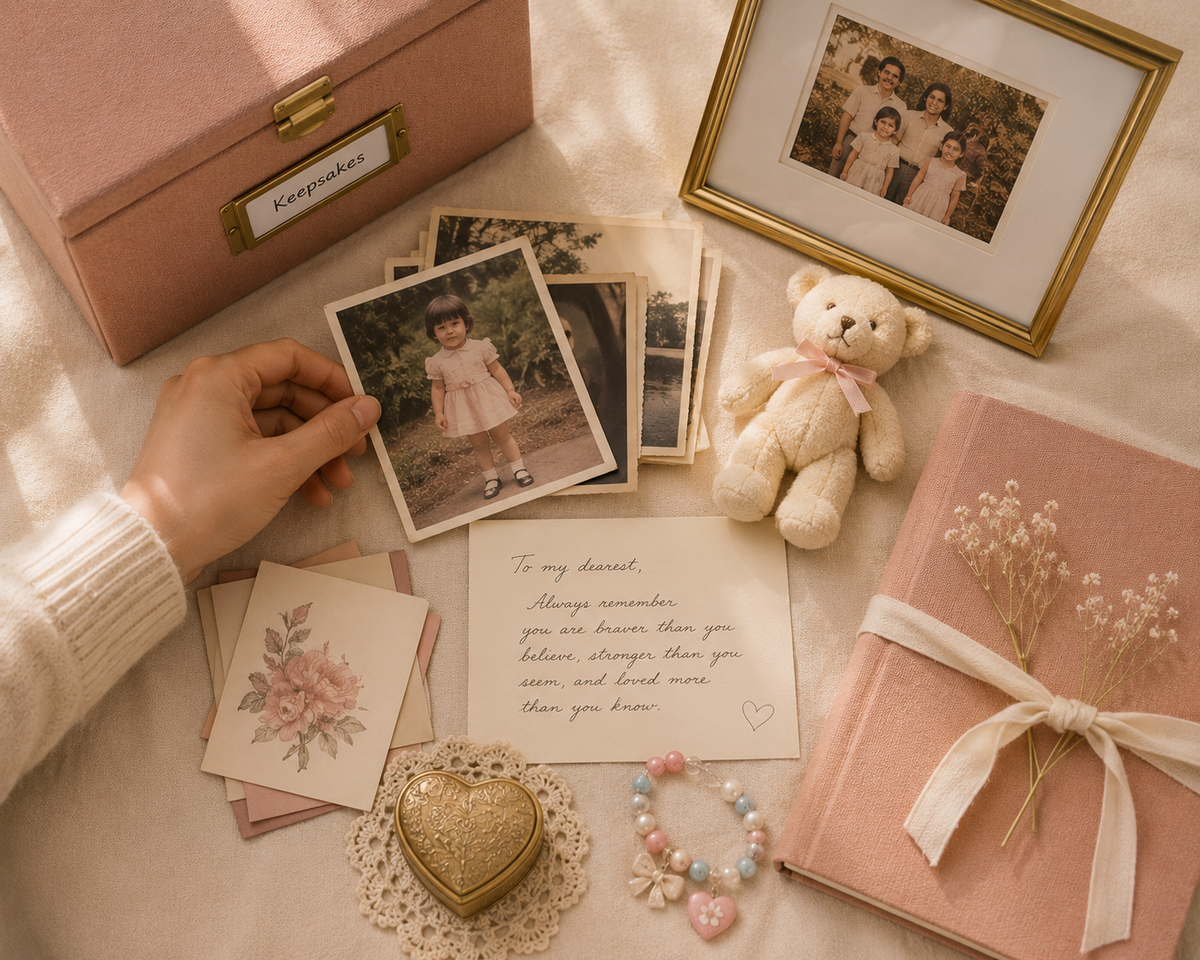
The final week is deliberately different in pace from the first three. Sentimental items, photos, cards, childhood belongings, items tied to a person or a memory rather than a practical use, deserve more time per decision than anything earlier in the challenge, and rushing this stage is the most common reason people abandon a declutter altogether or end up regretting a decision made too quickly.
Spread sentimental categories across the full week rather than compressing them into one or two days the way earlier categories were handled. Days twenty-two and twenty-three cover photos and papers with sentimental weight but low physical bulk, since digitizing or setting aside a smaller curated selection rather than keeping every single item is often an easier first sentimental decision than a physical keepsake would be.
Days twenty-four through twenty-seven move into physical sentimental items: gifts from people you love that no longer serve a purpose, childhood belongings, inherited items that carry weight but not daily use. For each item, ask a genuine question rather than rushing to a decision: does keeping this actually honor the memory, or has it become an obligation to store something out of guilt rather than love. Items that pass that test earn a permanent place. Items that don’t can be photographed before letting go, which preserves the memory without requiring the physical object to keep it alive.
The final days of the challenge, twenty-eight through thirty, are intentionally left lighter: a final walkthrough of the whole home to catch anything missed, and time to properly bag, box, or list anything set aside for donation or resale over the previous month. This isn’t rushed decision-making. It’s simply closing the loop on decisions already made.
Keeping the Momentum Going Past Day Thirty
A 30-day challenge is a starting point, not a permanent fix, and clutter tends to creep back in within a few months if the habits built over the challenge don’t continue in some smaller form. A short weekly check, ten minutes spent scanning one room for anything that’s drifted back into “unsure” territory, keeps the progress from the challenge from slowly reversing.
Revisit the categories from week one, the fastest and easiest ones, every few months rather than waiting for clutter to build back up to where it started. Expired products, duplicates, and broken items accumulate quietly and are the fastest to catch early, before they compound into a bigger project. The harder categories from weeks three and four generally don’t need revisiting nearly as often, since sentimental and hobby-related clutter tends to build up more slowly than everyday items.
What to Do if You Genuinely Get Stuck on a Decision
Every 30-day challenge hits at least a few items where the decision genuinely stalls, not because the category is inherently harder, but because that specific item carries more weight than expected. When this happens, the instinct is often to force a decision just to keep the daily momentum going, but forcing a decision on an item that needs more thought tends to produce more regret than simply setting it aside.
A useful middle option: create a small “decide later” box, separate from the keep and donate piles, for anything that’s genuinely stuck after a few minutes of consideration. Cap it at a single small box rather than letting it grow, and set a firm date, two weeks after the challenge ends, to revisit it with fresh eyes rather than the fatigue of being mid-challenge. Items still undecided at that second look usually resolve faster the second time around, once the emotional charge of the original 30 days has settled.
This box should be the exception, not the default. If more than a handful of items across the full month end up here, that’s often a sign the challenge is moving faster than the household’s actual readiness to let go, and slowing the pace slightly, an extra day or two per week rather than a strict daily schedule, tends to fix the pattern better than pushing through it.
Involving Other Household Members Without Creating Conflict
A 30-day challenge run solo in a shared home only tackles half the clutter, since most homes hold belongings from more than one person. Bringing other household members into the process, especially a partner, roommate, or older children, works best when each person handles their own belongings rather than one person deciding on behalf of everyone.
Set a shared calendar for the categories that overlap, like the kitchen or shared living spaces, so both people are working on the same zone during the same week rather than one person decluttering a shared space while the other’s items pile up untouched. For personal items, clothes, hobby gear, sentimental belongings, let each person set their own pace even within the shared 30-day frame, since the emotional readiness to let go of a specific item varies a lot from person to person, even within the same household.
Avoid making decluttering decisions on someone else’s behalf, even with good intentions. An item that looks like obvious clutter to one person can carry real meaning to another, and a challenge that damages trust between household members costs more than any amount of physical space it clears.
FAQ
What if I can’t finish a full 30 days without missing a day? Missing a day here and there doesn’t undo the challenge. Pick up where you left off rather than starting over, since the order of categories matters more than a strict daily schedule.
Do I have to do the categories in this exact order? The order is built to save the hardest emotional decisions for last, once momentum and comfort with letting go have built up. Rearranging it, especially moving sentimental items earlier, often makes the challenge harder to finish rather than easier.
What should I do with items I decide to keep but rarely use? If an item passes a genuine “does this serve me” test but isn’t in daily rotation, seasonal or occasional storage is the right home for it rather than a prime, easily-accessible spot.
Is it normal for week four to take longer than the other weeks? Yes. Sentimental decisions genuinely take more time and thought than practical ones, and rushing them is more likely to lead to regret than taking the extra time this stage is built for.
Related Reading
If a full month feels like too much right now, A One-Weekend Decluttering Challenge for One Room covers a shorter version built for a single room and a single weekend.
For the sentimental stage specifically, A Gentler Challenge for Decluttering Sentimental Items goes deeper on pacing and approach for the hardest category in this guide.
And if a free weekend isn’t realistic given your schedule, A Decluttering Challenge for When There’s No Free Weekend breaks the same process into twenty-minute sessions spread across a few weeks.
For the full category, browse Decluttering Challenges under the Seasonal & Maintenance hub, home to every reset and decluttering guide on the site. For the storage side of what stays, the Organization & Storage hub covers where kept items should actually live.